
I know food can be a sensitive topic for people. I’ve experienced this many times through vegetarian experiments, Januarys of Whole30s, elimination diets for breastfeeding, and my son’s ARFID diagnosis. People care deeply about what other people eat and they usually aren’t shy about telling you. So before I start with our family’s rules for this adventure, I want it made clear that this is what we are trying, because we believe it is best for our planet, our community, and our family. I hope you don’t feel shame, but rather encouragement to learn about something new, trying something from your local area, or start making purchases that are more earth-friendly. That being said, let’s get into the project.
Since my time as a sustainability undergrad, I have been interested in where food comes from and have tried to make better choices. It’s been hard to navigate logistically and financially in today’s world, so I tried my best here and there, like buying organic or getting produce at the farmer’s market. After reading Animal, Vegetable, Miracle years ago, I tried to implement even more choices that were better for our community and earth, like buying meat in bulk from local ranchers. Rereading it again now, I know I want to commit even more. I want to teach my kids about where food comes from. Not only in hopes that my ARFID kiddo will be more interested in learning about different fruits or vegetables, but so they understand that food does not “come from the grocery store” as I was taught. In addition to that, I want to connect with and salvage the generational knowledge around food that is rapidly being lost. I want to them to know how to garden, can, pickle, preserve food, compost, raise meat, cook from scratch (with and without a recipe), and repurpose to minimize waste. In addition to the food skills, I want them to know how to sew a table cloth, remove a stain from said table cloth, carve a turkey, plate a meal, and save leftovers. I want them to understand that cultures around food; the holidays, the celebrations, bringing a new mother a meal, etc. There is so much to think about with food. I want our family to be conscious consumers and enjoy the process along the way.
Here are our rules for the project:
- food for the kids does not count: With Harrison’s ARFID, there are compromises with food that we cannot make. Annie’s mac and cheese, goldfish, peanut butter, and Starbucks cake pops are non-negotiables. Feeding him comes before all else, so whatever he wants to eat is excluded from the rules. However, if we can make the organic mac and cheese with organic local milk (we are pasteurized milk family) and grass-fed butter, we would be making a better choice. We already do organic milk and grass-fed butter, but they aren’t locally made. Getting butter from Arizona, or even the US, instead of New Zealand would cut down significantly on our food miles.
- buy food from Arizona: Whenever possible, we will shop for products grown, raised, or produced in Arizona.
- buy food from Southwestern states: When buying from Arizona isn’t possible or feasible, we will look for food from the surrounding states.
- buy food from United States: For example, we will try to find maple syrup from US states instead of Canada.
- buy organic, Fair Trade, & other ethical sourcing: When we can, we will choose organic over conventionally produced products. When we can’t find US goods, like chocolate and coffee, we will look for products that are helping the planet and the people producing them or we will forgo that ingredient.
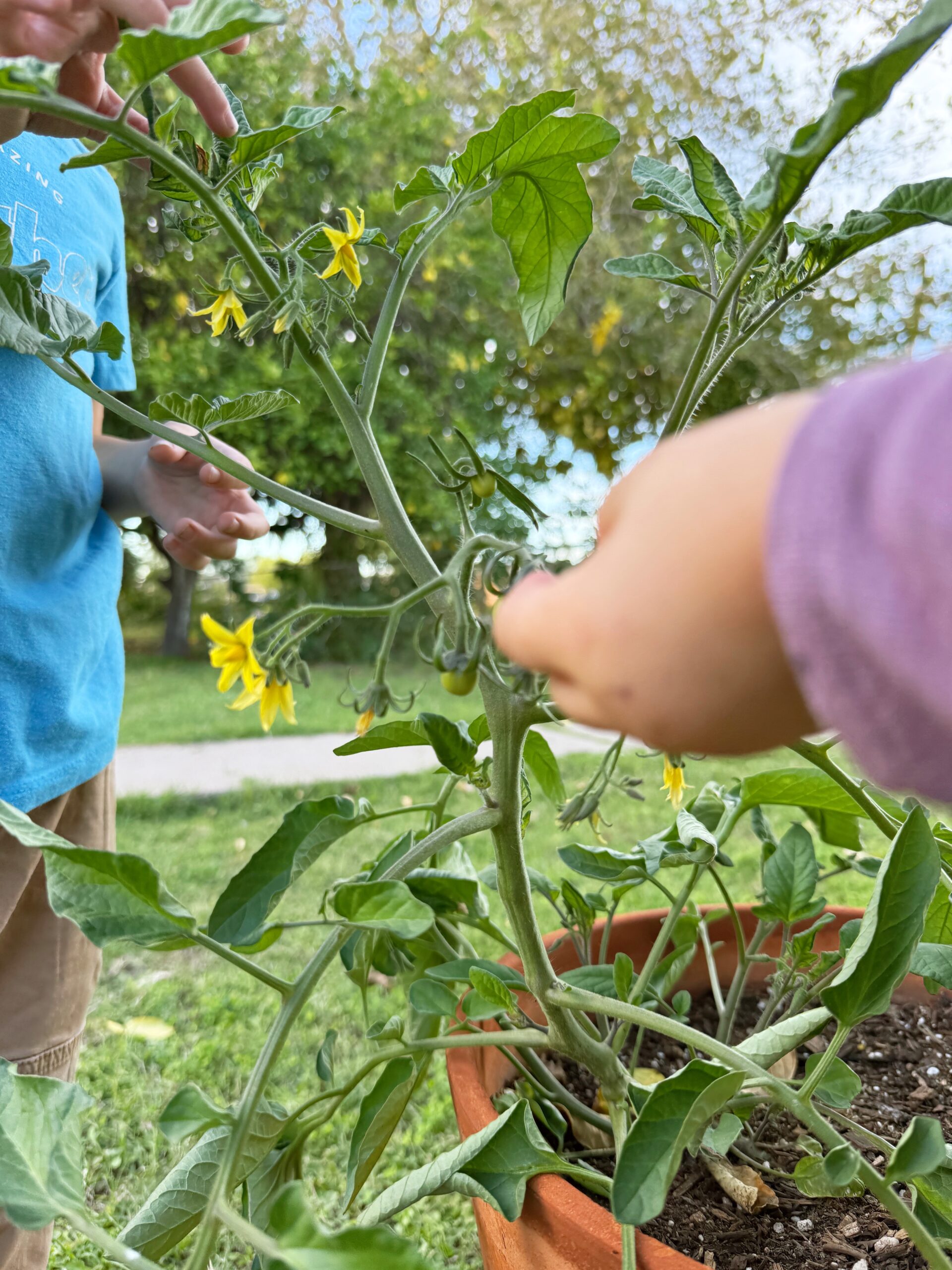
- grow our own food: We are working on building a garden, but I’m not sure how much we will be able to grow in our first year. The goal for this year is to expand the container garden, build beds, and plant fruit trees.
- consider meat chickens: We have layers already, but we are seriously considering raising meat birds as well. If you eat meat, it is what it is. We can out source this process or do it yourself and know the quality of care that the animals receive.
- teach the kids about all the sources of food: I was raised in a way that taught “food comes from the store.” Though you can get food at the store, it does not come from the store. It comes from all over the world. And that impacts in Earth in a variety of ways, some good and some terrible. To pretend meat isn’t coming from a CAFO or produce isn’t being shipped around the world is ignorant. I want to make sure that my kids know the costs of the food they are eating and how to make better choices for the planet and the people and animals living on it.
I was going to say “that’s it!” But that’s actually a lot. We’ve been working on it slowly for a long time, so it’s been easier to get a little better over time. It’s a hard time to dive into. And a lot more expensive. We think it’s important though, so we are going to give it a try!
Let me know if you have done something similar! And let me know if you read Animal, Vegetable, Miracle. I disagree with her on a few points, but overall, I love the book.